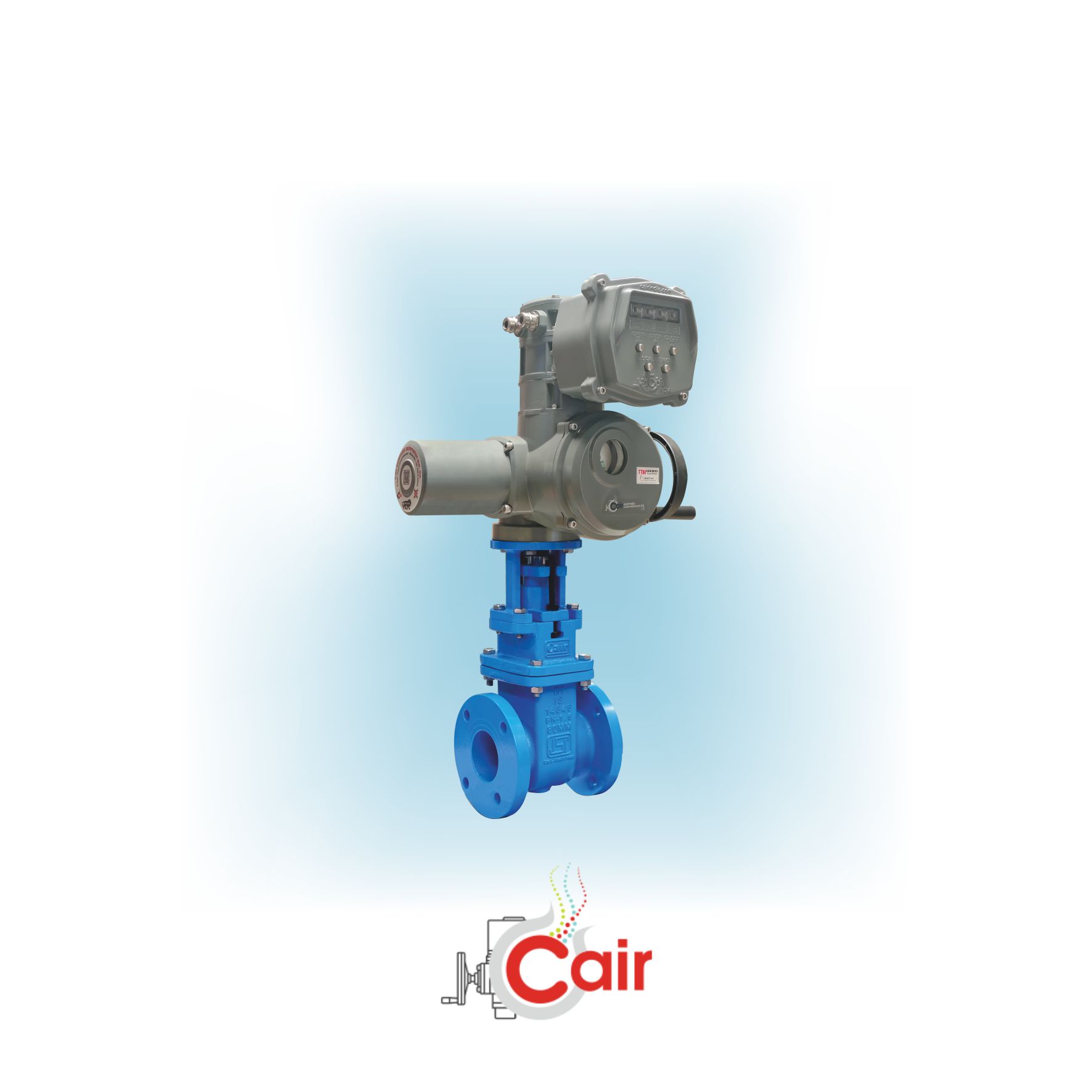
Cair Euromatic Automation Pvt. Ltd. is a trusted Sluice Valve Manufacturer in India, known for designing, developing, and manufacturing high-quality sluice valves for water supply, irrigation, wastewater treatment, municipal networks, and industrial pipeline systems. With over 30 years of experience, we understand what customers need from a valve: reliable performance, smooth operation, long service life, and dependable pipeline isolation.
A sluice valve may look simple, but it plays a very important role in controlling water flow. It works like a gate inside the pipeline. When the valve is fully open, water flows freely with minimal resistance. When it is fully closed, the flow stops completely. This makes the sluice valve one of the most useful valves for on-off service in water management systems.
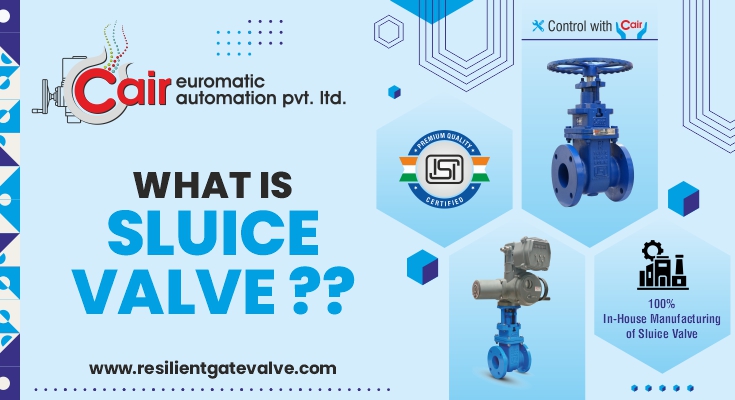
What Is a Sluice Valve?
A sluice valve is an isolation valve used to fully open or fully close the flow of water or other compatible fluids in a pipeline. It is not generally used for throttling or partial flow control. Instead, it is designed for dependable shut-off and secure line isolation. Because of this, sluice valves are widely used in applications where the operator needs a simple, strong, and reliable valve solution.
Types of Sluice Valves We Manufacture
At Cair Valve, we manufacture different types of sluice valves based on project requirements and operating conditions.
Rising Stem Sluice Valve
A rising stem sluice valve has a stem that moves upward when the valve opens. This gives a clear visual indication of valve position, which is useful for operators and maintenance teams. It is a practical choice where enough vertical space is available.
Non-Rising Stem Sluice Valve
A non-rising stem sluice valve keeps the stem inside the valve body during operation. This design is ideal where installation space is limited, especially in underground pipelines and compact valve chambers.
Metal Seated Sluice Valve
Metal seated sluice valves use metal-to-metal sealing surfaces. They are suitable for demanding applications where strength and durability are important. These valves are preferred in conditions where a tougher seating arrangement is required.
Soft Seated Sluice Valve
Soft seated or resilient seated sluice valves use an EPDM rubber-lined wedge to provide tight sealing and smooth operation. They are commonly used in water supply systems because they help achieve leak-tight shut-off and reliable performance.
Manual and Motorized Operation
We manufacture both manual and electric actuator operated sluice valves because every project has different needs.
Manual Sluice Valve
Manual sluice valves are operated using a handwheel or gearbox. They are simple, cost-effective, and easy to maintain. Many water supply and industrial systems still use manual valves because they are dependable and suitable where frequent operation is not required.
Motorized Sluice Valve
Motorized sluice valves are operated using an electric actuator. They are ideal for modern water systems where remote control, automation, and ease of use are important. With motorized operation, the valve can be opened or closed automatically, which reduces manual effort and improves safety.
For projects that require faster response, remote monitoring, or integration with control systems, a motorized sluice valve is often the preferred choice.
Where Sluice Valves Are Used
Cair sluice valves are suitable for a wide range of applications, including:
- Water supply pipelines
- Water treatment plants
- Sewage treatment plants
- Irrigation systems
- Pumping stations
- Municipal water networks
- Industrial pipelines
- Infrastructure and utility projects
These valves are selected wherever the user needs secure shut-off, reliable water flow isolation, and easy operation.
Why Choose Cair Valve?
Customers choose Cair Valve because we combine manufacturing experience with practical engineering support. We do not simply supply a valve; we help customers choose the right solution for their project.
What Makes Us Different?
- 30+ years of manufacturing experience
- In-house design, development, and testing
- Manual and motorized valve options
- Rising stem and non-rising stem designs
- Metal seated and soft seated options
- Customized sizes and pressure ratings
- Reliable performance for water and industrial use
- Strong focus on quality and customer support
Every project has different pipeline conditions, pressure levels, installation space, and operating requirements. That is why we offer customized sluice valve solutions based on the actual application instead of a one-size-fits-all product.
Quality and Performance
At Cair Valve, every sluice valve is manufactured using quality materials and strict process control. We follow careful testing procedures to make sure the valve performs smoothly, closes properly, and supports long-term service. Our goal is to supply valves that help customers achieve dependable flow control with less maintenance and better operational efficiency.
If your project needs a valve for water isolation, flow management, or automation, our team can help you select the right manual or motorized sluice valve.
Looking for a reliable Sluice Valve Manufacturer in India? Contact Cair Valve today for customized valve solutions, expert guidance, and dependable performance for your project.
read more : sluice valve manufacturer in ahmedabad
Sluice Valve FAQ Guide
A sluice valve is an important part of many water and industrial pipeline systems. It is used to control flow, stop flow, and provide reliable pipeline isolation. To help readers understand it easily, here is a simple FAQ-style guide with clear headings and short, natural paragraphs.
1. What Is a Sluice Valve?
A sluice valve is a type of valve used to fully open or fully close the flow of water or other fluids in a pipeline. It is not usually used for throttling. Instead, it works best when the flow needs to be stopped completely or allowed to pass freely.
2. What Is the Purpose of a Sluice Valve?
The main purpose of a sluice valve is to control flow in a pipeline. It helps operators isolate a section of the pipeline when maintenance, repair, or flow control is needed. This makes the system safer and easier to manage.
3. What Are the Different Types of Sluice Valves?
Sluice valves are available in different types based on design and seating. Common types include rising stem sluice valves, non-rising stem sluice valves, metal seated sluice valves, and soft seated or resilient seated sluice valves. The right type depends on the application and installation space.
4. What Is the Working Principle of a Sluice Valve?
A sluice valve works by moving a gate or disc up and down inside the valve body. When the gate rises, the water flows through the pipeline. When the gate lowers, the flow is blocked. This simple movement makes the valve effective for on-off control.
5. Why Is a Sluice Valve Used in Water Pipelines?
Sluice valves are widely used in water pipelines because they give reliable shut-off and smooth flow control. They are suitable for water supply networks, irrigation systems, wastewater lines, and other applications where water needs to be isolated safely and efficiently.
6. Why Choose a Motorized Sluice Valve?
A motorized sluice valve is a good choice when frequent operation, remote control, or automation is required. It uses an electric actuator to open or close the valve automatically, which reduces manual effort and improves convenience, safety, and operational efficiency.
7. How Does a Sluice Valve Work?
When the handwheel, gearbox, or actuator is operated, the stem moves the gate inside the valve. As the gate moves up, the flow opens. As it moves down, the flow closes. This makes the valve easy to understand and dependable in use.
8. How Do You Install a Sluice Valve?
A sluice valve is usually installed between pipeline flanges. Before installation, the pipeline should be aligned properly and cleaned carefully. The valve must be fitted according to the correct flange standard, pressure rating, and direction of flow if applicable.
9. How Do You Maintain a Sluice Valve?
Maintenance usually includes checking for leakage, making sure the stem moves smoothly, and inspecting the sealing surface or seat condition. Regular inspection helps the valve perform well for a long time and reduces the chance of failure.
10. How Do You Choose the Right Sluice Valve?
The right sluice valve depends on several factors such as pipeline size, pressure rating, material, seating type, installation space, and whether manual or motorized operation is needed. A good manufacturer can help select the best valve for the application.
11. Which Sluice Valve Is Best for Water Supply?
For water supply systems, soft seated or resilient seated sluice valves are often preferred because they provide tight sealing and smooth operation. However, the final choice should depend on pressure, water quality, and project requirements.
12. Which Material Is Best for a Sluice Valve?
The best material depends on the application. Cast iron and ductile iron are commonly used for water applications, while stainless steel or other special materials may be chosen for demanding conditions. The material should match the pressure, fluid type, and operating environment.
13. Which Is Better: Manual or Motorized Sluice Valve?
Both have their own advantages. Manual sluice valves are simple, economical, and easy to use. Motorized sluice valves are better when automation, remote operation, or frequent opening and closing is required. The better option depends on the project need.
14. Where Are Sluice Valves Commonly Used?
Sluice valves are commonly used in water supply networks, irrigation systems, wastewater treatment plants, pumping stations, municipal projects, and industrial pipelines. They are ideal wherever reliable on-off flow control is needed.
15. Where Should a Sluice Valve Be Installed?
A sluice valve should be installed at points where flow isolation is needed, such as pipeline sections, junctions, plant inlets, outlets, and maintenance zones. Proper placement helps operators control the system more efficiently.
16. When Should You Use a Sluice Valve?
A sluice valve should be used when the flow needs to be fully opened or fully closed. It is suitable for situations where dependable shut-off is more important than flow regulation. This makes it useful in many water and industrial systems.
17. When Should a Sluice Valve Be Replaced?
A sluice valve should be replaced when it starts leaking, becomes difficult to operate, shows corrosion, or no longer provides proper shut-off. Replacing a worn valve helps keep the system safe and efficient.
18. Who Manufactures High-Quality Sluice Valves in India?
Several manufacturers in India produce sluice valves, but customers usually look for experience, quality testing, customization, and reliable support. A trusted manufacturer should offer the right product based on the project’s technical requirements.
19. Who Is the Best Sluice Valve Manufacturer for Industrial Applications?
The best manufacturer for industrial applications is one that understands pipeline conditions, pressure ratings, material selection, and automation needs. Industrial users usually need valves that are durable, easy to install, and suited to the exact application.
Final Note
Sluice valves are simple in design, but they play a very important role in pipeline systems. Whether you need a manual valve or a motorized valve, the right choice depends on your project, pipeline, and operating needs. A reliable manufacturer can help you select the best solution for long-term performance.
Cair Valve offers customized sluice valve solutions designed for dependable flow control, easy operation, and long service life.
