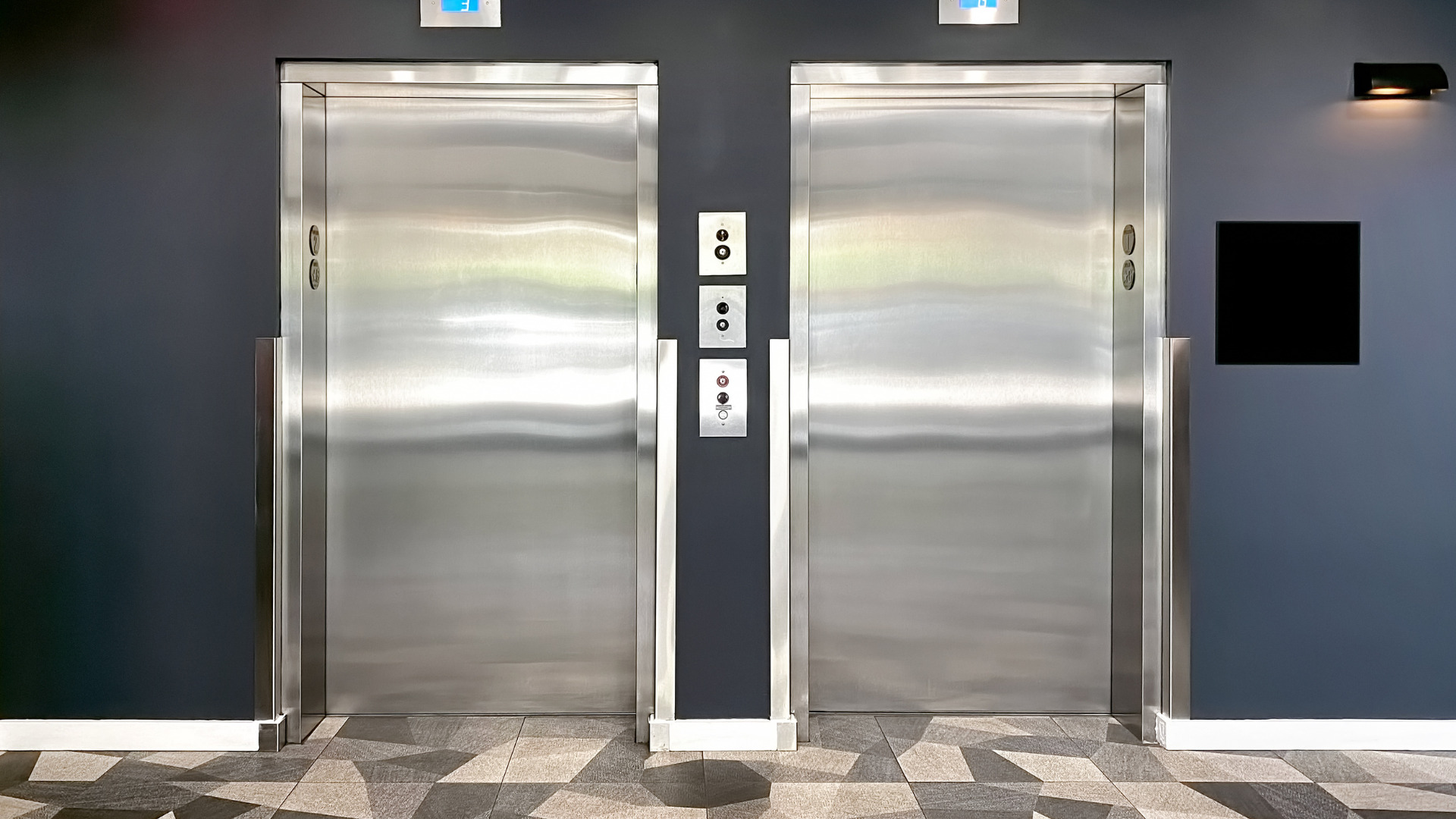
There are numerous mechanical and electrical parts that work together to ensure the residential elevator runs for each passenger/ride. Repetitive usage can lead to degradation over time on doors, brakes, bearings, sensors, cables and control systems. Symptoms can be sounds, vibration, unequal levels, delays in closing doors, malfunctions or repeated malfunctions. Thus, any noticeable change should not be disregarded, and homeowners should schedule a professional inspection before it escalates into a bigger problem to operate.
Once component wear begins to cause elevator performance issues, qualified technicians will be able to check out the affected components and determine the root cause of the issues reported. This will vary based on the equipment condition, safety needs, manufacturer instructions, parts availability, and equipment maintenance history. Residential elevator repair services can be needed if certain parts of the elevator are in bad shape, which can impact its safety or reliability. A professional evaluation helps homeowners understand the options for repairing versus replacing components and/or modernizing their home elevator system when they can compare the options.
Why Does Component Wear Matter in Residential Elevators?
Component wear occurs over time as elevator equipment is used over and over again. Each time the trip goes, it demands some parts of the door, brakes, bearings, sensors, cables, belts, and so on that control them. These components can deteriorate over time and lose performance or show visible signs of deterioration.
But not all wear is a sign of a fail. Some parts may still function even if they show some deterioration. Others may need immediate attention, as it impacts safe operation. Technicians evaluate and determine the severity before proposing work to be done.
Normal Wear Versus Component Failure
Normal wear is caused by the moving and operating cycles of components. Things can fall apart slowly over a period of time without any break. The changes can be tracked by technicians during regular checks.
The problem with component failure is another story. A worn part can cease to operate properly or can cause problems with other systems. An example of this is when a part of the door is worn out, it can cause the door to operate differently and impact safety signals.
Sometimes the symptoms will not be enough to diagnose the failed component. A technician should examine the appropriate systems to find out what is really the problem. .
Factors That Influence Component Wear
The deterioration of elevator components occurs at different rates, depending on a number of factors. Age of the elevator is a factor but also usage. The more an elevator operates the more operating cycles will occur than with an elevator used less.
The condition of the equipment is also influenced by the maintenance history. Professional inspections can detect emerging problems at an earlier stage on a regular basis. The components may also be affected by environmental conditions.
Electrical and mechanical equipment can be affected by site conditions such as temperature, moisture, dust and other factors. As a result, technicians need to take into account the entire operating environment in an assessment.
Which Elevator Components Experience Regular Wear?
A residential elevator system consists of several parts that are subjected to frequent movement and/or electrical use. Their condition can affect reliability, ride and safe operation.
This is a general rule, and the components are generally checked based on design of the elevator and reported symptoms. There are mechanical and electrical arrangements which vary between elevator models.
Door Components
Elevator doors are in use for almost all trips made by passengers. Their regular operation puts constant requirements on the rollers, tracks, operators, sensors and interlocks.
Rough or noisy movement can occur due to worn rollers. If tracks are damaged, they can have an impact on the alignment. Over time, door operators may experience performance issues.
Particularly, sensors and interlocks need to be checked. These components provide valuable safety information to the elevator control system.
Mechanical Components
Mechanical components may consist of cables, belts, sheaves, bearings, brakes and guide components. The exact configuration will vary according to the design of the elevator.
These components are checked for signs of wear such as unusual vibration, movement, etc. and for visual deterioration. They can also check the maintenance history of the past issues.
When a mechanical component changes state, it can have an impact on other systems. So, it is a good idea for technicians to assess other components that relate to the targeted component rather than assessing it only.
Electrical and Control Components
Electrical parts are subject to aging in the course of time as well. Circuit connections, sensors, relays, controllers or drive components may fail.
Intermittent signals can occur due to loose connections. Sensors might not give consistent information as they get older. Older controllers can also be hard to maintain as components begin to be unavailable. A professional inspection can help differentiate component wear from other electrical problems.
How Can Door Component Wear Affect Elevator Operation?
During each phase of an elevator’s operation, door systems play a pivotal role. They need to function properly and send out proper warning signals before the elevator moves.
As the wear occurs, homeowners might notice unusual sounds or slower moving. It might also take longer for the doors to open and close.
When a technician determines worn or damaged elements of the door, residential elevator repair can help solve the issues. The actual repair will depend on the type of door system and the problem.
Slow or Uneven Door Movement
If a door is moving slowly, it may be a sign of any of the following issues: Performance may be hampered by worn rollers, damaged tracks or operator or alignment problems.
Because the parts are not moving evenly, they may also create extra stresses on other components. Prior to recommending replacement of the door, technicians should inspect the entire door assembly.
Other odd noises are also a sign. A grinding, clicking or squealing sound could be a sign of mechanical wear or another impending problem.
Door Safety Components
Door sensors monitor the condition around the door. Interlocks make certain doors are in the correct position prior to elevator travel.
Failure or damage to these components can hinder the elevator’s ability to function normally. The system might prevent elevator motion since it is unable to establish a safe condition.
The elevator design should include relevant safety functions which should be tested by the technicians. They should also make a note of key findings that happen during the service visit.
When Can Mechanical Wear Require Professional Attention?
Mechanical wear is more of a concern when it relates to elevator movement, stopping, noise and ride quality. These can be vibrations or strange noises that a homeowner may hear that precede catastrophic failure of a component.
But, just because there is visible wear does not mean the same threat. Techs inspect the component and its operating function and make recommendations based on the findings.
Cables, Belts, and Sheaves
In appropriate elevators, cables and belts are used to transport mechanical loads. The health of their condition can thus impact overall operation.
These parts are checked for wear, alignment issues and other factors. Sheaves must be checked, as they are involved in the movement of cables/belts.
The inspection process is based on the design of the elevator. These components are assessed in response to equipment-specific procedures by technicians.
Brakes and Bearings
Controlled stopping of the elevator is an important function of brakes. They need professional evaluation in order to determine their condition.
In addition to wear that can happen during the initial heating, bearings can wear with repeated use. These changes can manifest as abnormal sounds, vibration or movement.
These components can be measured in conjunction with related mechanical systems. This will help to clarify if replacement or additional service is needed.
Can Electrical Component Wear Cause Elevator Problems?
Electrical components can get old due to age and operating cycles, heat, and environment. Issues can present themselves as random failures or erratic elevator operation.
When the condition of the sensor changes, it can send wrong signals. The wiring connections can also be problematic leading to problems in communication among components.
If an electric issue is identified, the Residential elevator repair may be required to rectify the problem. It is important to have a thorough evaluation since the symptoms can be caused by many other conditions.
Sensors and Wiring
Sensors give data on position, doors and other elevator functions. If the signal is misread, it can have an impact on the controller’s decision-making process.
Careful checking of wiring connections is also important. Damaged or loose connections can cause signals to be interrupted and cause intermittent issues.
Specialists can check relevant circuits and compare results with fault storage data. This process can help to eliminate the potential cause.
Controllers and Drives
There are several elevator functions that have to be coordinated by the controllers. Recurring faults or limited diagnostic information can be provided by aging control components.
Elevator motion is also affected by the drive systems. This can result in issues with starting and stopping, and can impact performance.
Before recommending the replacement of any components, technicians should check for compatibility of the controller and drive. A wider assessment may be needed for older systems, as replacement parts will be hard to find.
What Warning Signs Can Indicate Component Wear?
Typical homeowner signs are performance changes before a major elevator issue arises. These signs may not always indicate the specific cause.
Rather, they suggest professional inspection could be considered. Early testing can help to get a good indication of equipment health.
Changes in Ride Quality
Mechanical or control-related problems may be signalled by jerky movements. Vibration could also indicate that components are wearing.
If levelling is not even, it will cause elevation differences between the elevator floor and landing. This is an issue that needs to be addressed, as it impacts passenger access.
There are a number of reasons for changes in ride quality. Therefore, mechanical and control system inspections should be performed by technicians.
Unusual Sounds and Delays
Sometimes unusual sounds are helpful in indicating the condition of the components. If you hear grinding, squealing, clicking or rattling, your vehicle may be developing mechanical issues.
Delayed operation of the doors can also mean there is a problem in the door assembly. Response time is slow, which may be either control or drive.
If these symptoms occur, homeowners should keep a record of them. This information can be helpful for technicians when diagnosing.
Repeated Elevator Faults
A lot of shutdowns can be a sign of reoccurring equipment issues. Multiple service calls can also be indicative of continued deterioration of a component.
When the elevator control system records error codes, they can give more information. Technicians should, however, check electronic information with a physical check.
If there is a recurring fault event, it is important that it is paid attention to even after the elevator restarts after a reset. Just because someone recovers temporarily doesn’t mean the problem has been resolved.
How Does Maintenance History Affect Component Wear?
Maintenance logs are a good source of information for the condition of the elevator. Displays the history of repairs, replacement parts, inspection results, and common issues.
Technicians have the ability to compare the symptoms of the current problem with previous service history. This comparison could highlight patterns that might not have been apparent in one inspection.
Reviewing Previous Repairs
Past repairs can suggest parts that have been in need of frequent fixes. Replacement dates may also indicate the length of service of parts.
If a problem keeps recurring, it could be related to a larger equipment issue. For instance, if the door is frequently being repaired, it may be a sign of damage to multiple interdependent parts.
Accurate records enable technicians to make informed assessments. They also provide a better record for homeowners when making plans for future work.
Scheduled Inspections
Scheduled inspections give opportunities to monitor component condition. Technicians have the opportunity to study appropriate mechanical, electrical and safety systems.
They can also determine lubrication or adjustment needs as appropriate. Regular checks can detect changes early, which can cause bigger operational issues.
The frequency of inspection will be dependent on equipment type, manufacturer instructions, usage and applicable requirements. Any advice of the professional should be followed by the homeowner.
When Does Component Wear Require Replacement?
Not all “failing components” need to be replaced. Technicians assess the severity of the deterioration and the part’s function in the system.Other factors that can affect this include manufacturer’s recommendations, safety standards, equipment age and availability of parts.
Minor Wear and Adjustments
In some cases it may be necessary to adjust the condition instead of replacing the components. Sometimes performance problems are caused by alignment or lubrication needs and are not considered to be a component failure.
Only qualified technicians should decide on what corrective action is needed, however. They are able to determine if the component is still fit for service.
Advanced Wear
Components may need to be replaced in advanced deterioration. Signs can include substantial damage, frequent failures, or issues impacting safe operation.
With older elevators, parts availability is also important. Components may be phased out after many years, depending on the manufacturer.
The current fault should then be taken into account as well as the future use of the equipment in a professional assessment.
How Should Homeowners Approach Repair Decisions?
Repair decisions should not be made based on symptoms alone but should be based on the findings of the professional. A tech can pinpoint the part that’s broken and tell you what needs fixing.
The range of repair scope is wide for different models of elevators. Owners should ask for specific details regarding parts, labor, testing, downtime and future maintenance.
The age and history of previous repair of the elevator should also be taken into consideration when making a decision on residential elevator repair. If components keep failing, it may be necessary to plan for more general modernization.
Getting a Professional Assessment
The first step in a professional evaluation is the symptoms reported and maintenance records. Techs then check out related parts and test impacted systems.
They should focus on what is causing the symptom, as opposed to the symptom itself. Having the results documented can also help the homeowner keep a record of the results. If the owner is given a detailed evaluation, then he is better informed before granting permission for the repair work.
Comparing Repair and Replacement
When the elevator is otherwise in good condition, it may be worth considering repairing the component. Replacement may be more appropriate when there is a significant deterioration in several major systems.
The age of an elevator, how often it needs to be repaired, parts availability and long-term maintenance needs should be taken into account by homeowners.
A professional will be able to explain the differences between targeted repair and the replacement. This information will help owners to make better decisions.
Conclusion
Component wear can gradually affect elevator doors, mechanical systems, controls, sensors, and other critical equipment. Homeowners should take unusual sounds, vibration, delays, and repeated faults seriously. Maintenance records can also reveal recurring patterns and guide future decisions. Residential elevator repair becomes more appropriate when component deterioration affects safe or reliable operation. A qualified technician can assess the equipment, identify the underlying cause, and determine whether adjustment, replacement, or broader modernization represents the most suitable path forward.
FAQs
Which parts of an elevator do get worn out most?
Regular wear and tear can occur on door parts, brakes and bearings, cables, belts, sensors and other moving components. The actual wear patterns will vary with the elevator design and use.
Are repeated elevator shutdowns due to worn components?
Yes. Worn parts can cause operational problems and/or safety shutdowns. Before making recommendations for corrective work, technicians should determine the root cause of the problem.
What are the indicators of wear on the various components?
Symptoms may be unusual noises, vibration, doors not levelled, slow doors, delays, and repeated faults. A professional inspection is still required to determine the cause.
Are all worn components to be replaced at once?
No. Technicians check severity and safety, equipment condition, and manufacturer instructions. There may be some conditions that need adjustment or monitoring.