Blog
How Mobile Paintless Dent Repair Restores Your Car Without Repainting

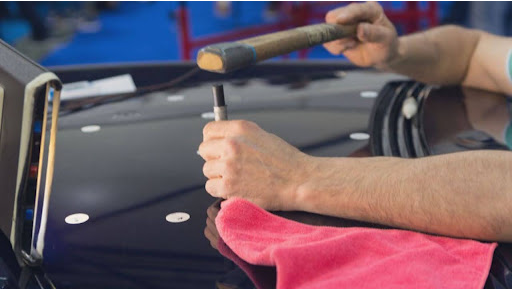
A dent can make an otherwise well-maintained vehicle look older than it really is. Whether it comes from hail, a parking lot incident, or a minor door impact, many drivers assume the only solution is body filler, sanding, and repainting. Fortunately, that is not always necessary. Mobile Paintless dent repair offers a practical way to restore certain dents while preserving the vehicle’s original paint. One of the biggest advantages of this approach is convenience. Instead of taking your vehicle to a traditional body shop and waiting for repairs, a qualified technician can often come to your home, workplace, or another suitable location. The process focuses on carefully reshaping the damaged panel rather than covering the damage with new materials. Understanding how the process works can help vehicle owners make better repair decisions. From assessing the damage to carefully restoring the panel, paintless dent repair can provide an efficient solution when the original paint and metal are still suitable for repair.
What Is Mobile Paintless Dent Repair?
Mobile Paintless dent repair is a specialized service that repairs certain dents without removing the vehicle’s original factory paint. Rather than filling, sanding, and repainting the damaged area, a trained technician uses specialized tools to gradually massage the metal back into its original position. The word “mobile” refers to where the service is performed. Instead of requiring the customer to visit a repair facility, the technician travels to the vehicle. This can be especially useful for busy vehicle owners who cannot easily leave their car at a shop for several days. Before beginning the repair, the technician examines the size, depth, location, and accessibility of the dent. A small dent on a door may be straightforward to repair, while damage near an edge, crease, or structural reinforcement may require a different approach.
How Does the Paintless Repair Process Work?
The process begins with a careful inspection of the damaged panel. The technician checks whether the paint has cracked or chipped and determines how much the metal has been displaced. This assessment is important because not every dent is suitable for paintless repair. Once the damage is considered repairable, the technician identifies the best access point behind the panel. Specialized rods and other tools are then used to apply controlled pressure to the backside of the dent. The metal is gradually moved rather than forced into position all at once. Technicians often use reflection boards or specialized lighting to see subtle changes in the panel surface. This helps them identify high and low spots while working. The goal is not simply to make the dent less noticeable but to restore the panel’s original contour as accurately as possible.
Why Preserving the Original Paint Matters
One major benefit of Mobile Paintless dent repair is the ability to preserve the vehicle’s original factory finish. Factory-applied paint is designed to withstand everyday environmental exposure, and maintaining it can help preserve the vehicle’s original appearance. Traditional repairs may involve sanding the damaged area, applying filler, and repainting the panel. While this can be appropriate for serious damage, repainting is unnecessary when the original paint remains intact and the metal can be reshaped. For example, imagine a vehicle receives a shallow door ding in a parking lot. If the paint is undamaged and the panel has enough flexibility, paintless repair may restore the surface without creating a visible repaired section. Keeping the original finish can also be useful when maintaining a vehicle’s appearance before selling or trading it. A professional assessment can determine whether preserving the existing paint is a realistic option.
When Is Mobile Paintless Dent Repair a Good Choice?
Not every dent requires conventional bodywork. Paintless repair is generally most effective when the damage is relatively minor and the original paint remains intact. Common examples include small door dings, shallow dents, and many types of hail damage.
The location of the dent also matters. A technician needs suitable access to the back of the panel and enough flexibility in the metal to reshape it without damaging the finish. Consider a vehicle with several small hail dents across the hood. If the paint has remained intact, a technician may be able to repair many of those dents without repainting the entire hood. However, severely stretched metal, sharp creases, extensive collision damage, or damaged paint may require traditional body repair. A professional inspection is therefore more reliable than judging the repairability of a dent based only on photographs.
Benefits of Choosing a Mobile Repair Service
The convenience of a mobile service is one of its strongest advantages. Instead of arranging transportation to a repair shop, vehicle owners can have a technician come to a suitable location. This can reduce disruption to work schedules and daily routines. Another advantage is that many paintless repairs can be completed without the lengthy preparation associated with conventional bodywork. Since the process does not normally involve sanding, filler, or repainting, there may be fewer steps between inspection and completion. Mobile service can also be particularly helpful after weather-related damage. Following a hailstorm, a vehicle may have numerous small dents that need professional assessment. Having the technician travel to the vehicle can make the initial inspection much easier. For instance, a customer who discovers hail dents in a driveway may be able to arrange an assessment at home rather than spending time transporting the vehicle elsewhere.
How to Choose a Qualified Dent Repair Technician
Choosing the right technician is just as important as choosing the repair method. Paintless dent repair requires patience, precision, and an understanding of how different panels respond to pressure. A poor repair can leave visible high spots, distortion, or additional damage. Start by asking about the technician’s experience with the specific type of dent your vehicle has. It can also be useful to review examples of previous work and ask whether the technician provides an inspection before beginning repairs. Clear communication is another important factor. A professional should explain whether the dent is suitable for paintless repair and discuss any limitations before work begins. You should also be cautious of unusually low estimates provided without inspecting the damage. Dent size alone does not determine repair difficulty. Location, depth, metal condition, access, and the number of dents can all influence the work required.
What Can Vehicle Owners Expect After Repair?
After a successful paintless repair, the damaged area should look significantly closer to its original shape. Because the process is designed to preserve the existing paint, there is normally no need to match a new paint color to the surrounding panel.
The exact result depends on the condition of the vehicle and the severity of the damage. A shallow dent with intact paint may respond very well, while a deep crease or stretched panel may have limitations. Vehicle owners should also understand that professional repair is more than simply pushing a dent outward. Technicians work gradually to restore the panel’s natural shape and reduce distortion. After the repair, inspecting the panel from different angles and under suitable lighting can help reveal whether the surface has been properly restored. A reputable technician should also explain what was repaired and whether any limitations remain.
Frequently Asked Questions
1. Does Mobile Paintless dent repair damage the original paint?
When performed correctly, paintless dent repair is designed to preserve the vehicle’s existing paint. The technician reshapes the metal rather than sanding or repainting the damaged area.
2. Can all dents be repaired with paintless dent repair?
No. Repairability depends on factors such as dent depth, location, metal condition, paint damage, and accessibility. A professional inspection is the best way to determine whether the method is appropriate.
3. Is mobile dent repair suitable for hail damage?
Yes, many hail dents can be suitable for paintless repair when the original paint remains intact. A technician can inspect the vehicle and determine the best repair approach.
4. How long does paintless dent repair take?
Repair time varies depending on the number, size, depth, and location of dents. A single minor dent may require much less time than a vehicle with extensive hail damage.
5. Why choose a mobile dent repair service?
A mobile service brings the technician to your location, making the repair process more convenient. It can save vehicle owners the time and effort of taking their car to a traditional repair facility.
Conclusion
A dent does not automatically mean that your vehicle needs repainting or extensive bodywork. Mobile Paintless dent repair can provide an efficient solution for many dents while preserving the vehicle’s original factory finish. By carefully reshaping the damaged metal, qualified technicians can restore the panel’s appearance without relying on traditional refinishing methods. The key is choosing the right repair method for the specific damage. A professional inspection can determine whether the dent, paint condition, and panel location are suitable for paintless repair. When the conditions are right, mobile service combines convenience, precision, and a practical approach to restoring your vehicle’s appearance.