Blog
Discover Professional Auto Electrical Repairing Services in Al Quoz

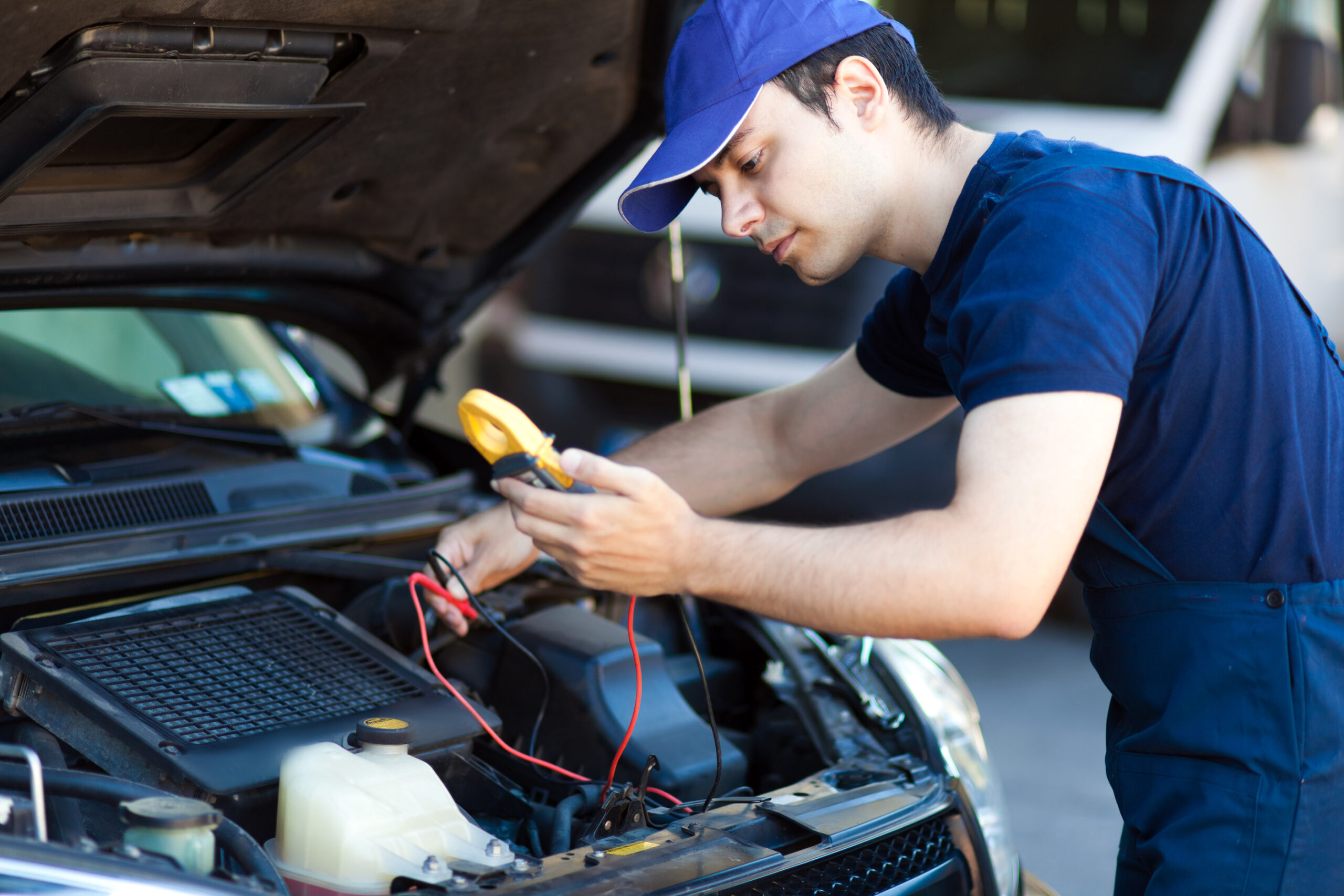
Modern vehicles depend on complex electrical systems for starting, lighting, safety, communication, comfort, and engine management. When an electrical component develops a fault, the problem can affect several functions at once. For drivers in Dubai, choosing professional auto electrical repairing services can help identify the underlying issue and restore reliable vehicle performance.
Al Quoz is known for its extensive automotive service infrastructure, making it a convenient location for drivers seeking specialist vehicle maintenance. From battery and alternator problems to wiring faults, starter issues, lighting failures, and electronic diagnostics, professional technicians can investigate a wide range of electrical concerns. Understanding these services can help vehicle owners recognise problems early and make better maintenance decisions.
Understanding Vehicle Electrical Systems
A modern vehicle contains numerous interconnected electrical components. The battery provides electrical power for starting and other systems, while the alternator helps recharge the battery and support electrical demand when the engine is running.
The starter motor is responsible for turning the engine during ignition. Fuses and relays protect and control electrical circuits, while wiring connects individual components throughout the vehicle.
Modern cars also contain electronic control units, sensors, communication modules, infotainment systems, parking assistance technology, and advanced safety features.
Because these systems are interconnected, a seemingly minor electrical problem can sometimes produce several warning signs. Professional diagnosis is therefore more effective than replacing components based only on symptoms.
Common Signs of Electrical Problems
Drivers should pay attention to unusual electrical behaviour. Early detection can prevent a minor issue from developing into a more complicated fault.
Common warning signs include:
- Difficulty starting the vehicle
- Dimming or flickering headlights
- Repeated battery discharge
- Warning lights appearing on the dashboard
- Power windows operating slowly
- Central locking problems
- Malfunctioning interior lights
- Unusual electrical noises
- Problems with the infotainment system
- Air-conditioning controls behaving unexpectedly
- Burning smells near electrical components
Some symptoms may have several possible causes. For instance, a vehicle that struggles to start could have a weak battery, faulty starter motor, charging-system problem, poor electrical connection, or another underlying issue.
A professional inspection can help distinguish between these possibilities.
Battery Inspection and Replacement
The battery is one of the most important components of a vehicle’s electrical system. It supplies the initial power required to start the engine and supports electrical functions when necessary.
A battery can lose capacity because of age, repeated discharge, extreme temperatures, charging problems, or prolonged periods of vehicle inactivity.
A weak battery may produce slow engine cranking, clicking sounds during startup, dim lights, or intermittent electrical failures.
Professional technicians can inspect battery condition, voltage, terminals, and charging performance. If replacement is necessary, the correct battery specification should be selected according to the vehicle manufacturer’s requirements.
Simply installing a battery with an unsuitable specification can create additional problems, so compatibility is important.
Alternator and Charging-System Problems
The alternator helps recharge the battery while the engine is running and supplies power to electrical systems.
When an alternator develops a fault, the battery may gradually lose charge. Drivers may notice dimming lights, dashboard warnings, electrical instability, or difficulty starting the vehicle after driving.
A charging-system inspection can assess alternator output and related electrical connections.
The issue may involve the alternator itself, its belt, wiring, terminals, or another part of the charging circuit. Identifying the actual cause helps prevent unnecessary replacement of otherwise functional components.
Starter Motor Diagnosis
A starter motor converts electrical energy into mechanical movement that turns the engine during startup.
When the starter develops a problem, the vehicle may produce a clicking noise without starting, crank slowly, or fail to respond when the ignition is activated.
Starter problems can sometimes be confused with battery faults. This is why systematic testing is important.
Technicians can assess battery condition, electrical connections, starter operation, and related components to determine where the starting circuit is failing.
Prompt diagnosis can be especially useful when a vehicle becomes difficult to start intermittently, as intermittent faults may become more frequent over time.
Wiring and Connection Faults
Electrical wiring connects many of the vehicle’s systems. Damaged, corroded, loose, or incorrectly connected wiring can interrupt electrical signals or power supply.
Wiring problems may result from wear, environmental exposure, previous repairs, physical damage, or connection issues.
Symptoms can vary considerably depending on the affected circuit. A wiring problem could cause lighting failures, sensor errors, intermittent dashboard warnings, power-window issues, or problems with other electrical functions.
Finding the exact location of a wiring fault requires careful inspection and appropriate diagnostic equipment. Replacing unrelated components without identifying the damaged circuit can increase repair costs without solving the problem.
Diagnostic Scanning for Modern Vehicles
Computerised diagnostics have become an essential part of vehicle servicing. Modern vehicles use electronic control modules to monitor and manage numerous functions.
When a fault occurs, the vehicle may store diagnostic trouble codes that provide useful information about the affected system.
Professional technicians can use suitable diagnostic equipment to retrieve and interpret these codes. However, a fault code does not always mean that the associated component itself has failed.
For example, a sensor-related code could be caused by wiring, connectors, voltage irregularities, or another underlying issue.
Diagnostic scanning should therefore be combined with physical inspection and technical testing.
Lighting System Repairs
Vehicle lighting affects both visibility and road safety. Headlights, brake lights, indicators, fog lights, reversing lights, and interior lighting depend on electrical circuits that need to operate correctly.
Flickering, dimming, intermittent operation, or complete lighting failure can result from several causes.
These may include damaged bulbs, blown fuses, wiring problems, faulty switches, poor connections, or control-module issues.
A professional inspection can identify the cause and ensure that the lighting system operates correctly.
Drivers should not ignore lighting problems simply because the vehicle remains driveable. Poor lighting can reduce visibility and make it more difficult for other road users to recognise the vehicle’s movements.
Power Windows and Central Locking
Convenience systems such as power windows and central locking also depend on electrical components.
A window that moves slowly, stops unexpectedly, or works intermittently could have a problem involving its motor, switch, wiring, regulator, or control circuit.
Central locking problems can similarly result from electrical faults, remote-control issues, actuators, wiring, or vehicle control modules.
Because several components may produce similar symptoms, professional diagnosis can help identify the correct repair.
Air-Conditioning Electrical Issues
In Dubai’s climate, air conditioning is an essential vehicle system rather than simply a comfort feature.
Although air-conditioning problems can involve refrigerant, compressors, or mechanical components, electrical faults may also affect the system.
Problems with switches, sensors, relays, control modules, wiring, or blower motors can prevent the system from operating correctly.
If the air conditioner stops working or behaves inconsistently, a technician should determine whether the issue is electrical, mechanical, or related to another part of the system.
Correct diagnosis is particularly important because replacing an electrical component will not resolve a mechanical or refrigerant-related fault.
Why Professional Diagnosis Matters
Electrical systems can be difficult to troubleshoot without appropriate knowledge and equipment.
Replacing parts based solely on symptoms can lead to unnecessary expenses. For example, replacing a battery may not solve a problem if the actual cause is a faulty alternator or parasitic electrical drain.
Professional diagnosis follows a more systematic approach. Technicians can inspect symptoms, test circuits, retrieve diagnostic information, measure electrical values, and evaluate components before recommending repairs.
This approach can improve repair accuracy and reduce the risk of repeated failures.
The Role of Preventive Electrical Maintenance
Vehicle owners often wait until an electrical system fails before seeking assistance. Preventive inspection can help identify developing problems earlier.
Battery terminals can be checked for corrosion. Charging-system performance can be evaluated, and visible wiring damage can be identified before it becomes more serious.
Regular maintenance can also reveal weaknesses in components that may otherwise cause unexpected breakdowns.
This is particularly useful for older vehicles, high-mileage cars, and vehicles that are used frequently in demanding conditions.
Preventive maintenance does not eliminate the possibility of electrical failure, but it can reduce the likelihood of avoidable problems.
Choosing a Professional Workshop in Al Quoz
When selecting an automotive workshop, vehicle owners should consider the technicians’ experience, diagnostic capabilities, equipment, and approach to repairs.
A suitable workshop should be able to explain the suspected fault clearly and provide a reasonable description of the recommended repair.
It is useful to ask whether the workshop can diagnose both conventional electrical components and modern electronic systems. Vehicles equipped with advanced driver-assistance systems, electronic control units, and integrated infotainment systems may require specialised diagnostic capabilities.
Transparent communication is another important consideration. Customers should understand which components require attention and why.
When Electrical and Body Repairs Overlap
Electrical problems can sometimes appear after a vehicle has experienced physical damage. Collision damage may affect wiring, lighting assemblies, sensors, control modules, or other electrical components.
In these situations, coordination between electrical specialists and an auto body repair shop may be necessary.
Body repairs can involve more than restoring visible panels. Modern vehicles often have sensors, cameras, lighting components, and wiring positioned around damaged areas. These systems may need inspection or calibration after structural or cosmetic repairs.
A coordinated repair process can help ensure that both the vehicle’s appearance and its electrical functionality are properly addressed.
Electrical Problems After an Accident
Even relatively minor accidents can create electrical issues if wiring, connectors, sensors, or lighting components are affected.
Drivers may notice new warning lights, malfunctioning indicators, damaged headlights, parking-sensor problems, or other unusual behaviour after a collision.
It is important not to assume that visible body damage represents the entire problem.
A thorough inspection can determine whether hidden electrical components have also been affected. Identifying these issues early can reduce the risk of future failures.
Handling Warning Lights Correctly
Dashboard warning lights are designed to alert drivers to potential problems. Some may indicate relatively minor issues, while others can signal conditions that require immediate attention.
Ignoring warning lights can allow an electrical or electronic fault to progress.
Drivers should note when the warning appeared, whether it remains illuminated, and whether other symptoms occur simultaneously. Providing this information to a technician can help with the diagnostic process.
A professional diagnostic scan can then provide additional information about the vehicle’s electronic systems.
Considering Repair Quality and Long-Term Reliability
The objective of electrical repair should not simply be to make a warning light disappear or restore temporary functionality.
The underlying cause should be addressed whenever possible.
Poor-quality wiring repairs, unsuitable replacement components, loose connections, or incomplete diagnostics can result in recurring faults.
A reliable repair should restore the affected circuit or component while maintaining compatibility with the vehicle’s existing electrical system.
Using appropriate components and following correct repair procedures can contribute to longer-lasting results.
Supporting the Overall Health of Your Vehicle
Electrical maintenance should be considered part of broader vehicle care.
Engine servicing, brake inspections, tyre maintenance, cooling-system checks, transmission care, and other routine services all contribute to vehicle reliability.
Electrical systems interact with many of these components. For example, an electrical fault can affect engine management, while charging problems can cause multiple systems to operate incorrectly.
A comprehensive maintenance approach can therefore help identify problems before they become major repairs.
Final Thought
Professional auto electrical repairing services can play an important role in maintaining vehicle reliability, safety, and everyday convenience. From batteries and alternators to wiring, starters, lighting, electronic diagnostics, and control systems, modern vehicles require careful attention when electrical faults appear.
For drivers in Al Quoz, selecting a workshop with appropriate diagnostic equipment, experienced technicians, and a systematic approach can make electrical troubleshooting more efficient. When collision damage is also involved, coordination with an auto body repair shop can help address both visible damage and hidden electrical concerns.
Regular inspections, timely diagnosis, and quality repairs can reduce unexpected breakdowns and help maintain the performance of a vehicle’s increasingly complex electrical systems.