Blog
Egg Freezing in Dubai: Empowering Women with Fertility Preservation

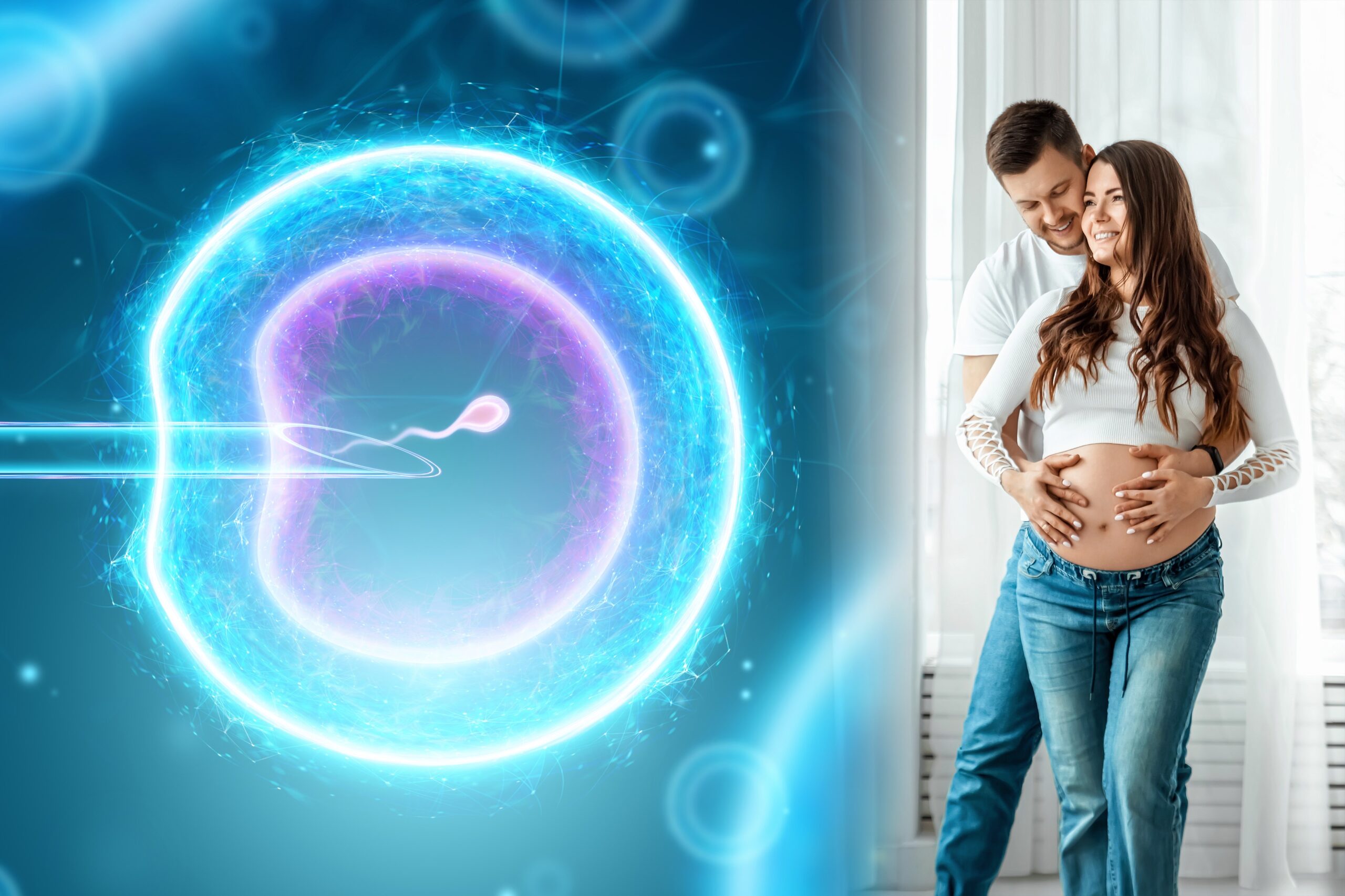
Fertility preservation has become an important consideration for women who want greater flexibility when planning their families. Advances in reproductive medicine have made it possible to preserve Eggs for potential future use, giving women another option when pregnancy may not be an immediate priority. Egg freezing Dubai has therefore become an increasingly discussed fertility preservation approach among women who want to understand their reproductive options and make informed decisions about their future.
Egg freezing involves retrieving mature Eggs from the ovaries and preserving them at very low temperatures for potential use later. The process does not guarantee a future pregnancy, but it can provide an opportunity to preserve Eggs while they may still have stronger reproductive potential. Understanding how the process works, who may consider it, and what factors influence outcomes can help women approach fertility preservation with realistic expectations.
Understanding Egg Freezing
Egg freezing, medically known as oocyte cryopreservation, involves collecting a woman’s Eggs and preserving them for possible future use.
During the procedure, fertility medications are generally used to stimulate the ovaries so that multiple Eggs can mature during one treatment cycle. The developing follicles are monitored through medical assessments, allowing the fertility team to determine when the Eggs are ready for retrieval.
Once the Eggs have matured sufficiently, they are collected through a minimally invasive procedure. Mature Eggs suitable for preservation are then frozen using advanced cryopreservation techniques.
When a woman decides to use preserved Eggs in the future, the Eggs can be thawed and fertilized, commonly through an assisted reproductive technique such as intracytoplasmic sperm injection. The resulting embryos may then be considered for transfer depending on the individual’s treatment plan.
Why Women Consider Fertility Preservation
Women may consider fertility preservation for many personal, medical, or professional reasons.
Some may want to postpone motherhood while focusing on education, career development, relationships, or other life goals. Others may not yet have a partner with whom they want to start a family.
Medical circumstances can also influence the decision. Certain treatments or health conditions may affect ovarian function and future fertility. In such situations, preserving Eggs before treatment may be discussed as part of a broader fertility preservation strategy.
The decision is highly personal. There is no single ideal reason or timeline that applies to every woman.
The Relationship Between Age and Egg Quality
Age is an important factor in fertility because both the number and quality of available Eggs can change over time.
Women are born with a finite number of Eggs, and the ovarian reserve gradually declines. In addition to changes in Egg quantity, the likelihood of chromosomal abnormalities in Eggs can increase with age.
This does not mean that pregnancy is impossible at an older age. Rather, it highlights why fertility preservation is often discussed earlier rather than later when future fertility planning is important.
Egg freezing preserves the Eggs available at the time they are collected. It does not stop the natural ageing process of the reproductive system.
For this reason, women considering preservation should discuss their individual circumstances with a qualified fertility specialist rather than relying on general age-based assumptions.
Who May Consider Egg Freezing?
There is no single profile for someone who may benefit from Egg freezing.
A woman may consider preservation if she wants to delay pregnancy for personal reasons. Another may be preparing for medical treatment that could affect ovarian function.
Some women may also want to explore fertility preservation because of concerns about declining fertility with age or because they are not currently ready to pursue parenthood.
The decision should be based on individual reproductive health, ovarian reserve, family plans, medical history, and personal priorities.
A fertility consultation can help identify whether preservation is appropriate and what expectations are reasonable.
Initial Fertility Assessment
Before starting an Egg-freezing cycle, a fertility specialist generally needs to understand the woman’s reproductive health.
The assessment may include a review of medical and menstrual history along with tests used to evaluate ovarian reserve. Ultrasound imaging may also be used to examine the ovaries and estimate the number of developing follicles.
Blood tests can provide additional information about reproductive hormones and ovarian function.
These assessments do not predict future pregnancy with absolute certainty. Instead, they help the medical team understand the individual’s current fertility profile and develop a suitable treatment strategy.
How the Egg-Freezing Process Works
The process usually takes place through several stages.
Ovarian Stimulation
Medications are used to encourage the ovaries to develop multiple follicles during a treatment cycle. The goal is to obtain several mature Eggs rather than relying on a single naturally occurring Egg.
Monitoring
During stimulation, the ovaries are monitored through clinical assessments and ultrasound examinations. Medication doses may be adjusted according to the response.
Egg Retrieval
When the follicles reach an appropriate stage of development, medication is used to trigger final maturation. Egg retrieval is then performed through a medical procedure under appropriate sedation or anaesthesia.
Egg Assessment and Freezing
The retrieved Eggs are assessed in the laboratory. Mature Eggs that are considered suitable for preservation are frozen using a rapid cryopreservation method.
The preserved Eggs remain stored under controlled conditions until they are needed.
What Happens When Preserved Eggs Are Used?
Egg freezing is the preservation stage of a potential future fertility treatment. When a woman decides to use her stored Eggs, they must first be carefully thawed.
Not every frozen Egg is guaranteed to survive the thawing process. Those that remain viable may be fertilized using sperm, often through a technique that places a single sperm directly into an Egg.
If fertilization occurs, embryos can develop in the laboratory. The medical team then evaluates the embryos and determines the next steps based on the woman’s circumstances.
This process is distinct from simply thawing an Egg and transferring it. Eggs must generally be fertilized and developed into embryos before embryo transfer can be considered.
Egg Freezing and IVF
Egg freezing and IVF are related but represent different stages or purposes within assisted reproductive care. IVF Dubai may be considered later if a woman chooses to use her preserved Eggs and requires assisted fertilization and embryo transfer.
The use of frozen Eggs does not guarantee that an embryo will develop or that pregnancy will occur. Several stages can influence the outcome, including Egg survival after thawing, fertilization, embryo development, implantation, and the woman’s reproductive health at the time of treatment.
Understanding these stages helps women maintain realistic expectations and make decisions based on complete information.
Factors That Influence Success
Several factors can affect the potential usefulness of preserved Eggs.
Age at the time of freezing is an important consideration because Egg quality is closely associated with age. The number of mature Eggs successfully retrieved and preserved can also influence the potential for future use.
Individual reproductive health, ovarian response to medication, laboratory procedures, and future uterine health may also play roles.
It is therefore difficult to provide a universal guarantee based only on the number of Eggs frozen.
A specialist can explain the individual’s circumstances and discuss what the available evidence means for her particular situation.
Does Egg Freezing Guarantee Future Pregnancy?
One of the most important aspects of fertility preservation is understanding its limitations.
Egg freezing can preserve Eggs for potential future use, but it cannot guarantee a future pregnancy or live birth. Some Eggs may not survive thawing, some may not fertilize, and not every resulting embryo will develop normally.
The woman’s age when the Eggs were frozen, the number of Eggs preserved, and other reproductive factors can influence the eventual outcome.
This is why fertility specialists generally describe Egg freezing as an option for preserving reproductive potential rather than a guarantee of future parenthood.
Emotional and Practical Considerations
Fertility preservation can involve emotional as well as medical considerations.
Women may experience relief from having an additional option for future family planning, but they may also feel uncertainty about whether they will eventually need or use their stored Eggs.
Financial planning is another consideration. Women should understand the costs associated with assessment, medications, Egg retrieval, laboratory procedures, storage, and potential future treatment.
It is also important to understand storage policies and the procedures involved if Eggs are eventually transferred, discarded, or moved according to applicable regulations and medical requirements.
Having clear information can make the decision-making process less stressful.
Lifestyle and Fertility Preservation
Lifestyle choices can contribute to overall reproductive health, although they cannot stop the natural decline in Egg quantity and quality associated with ageing.
Maintaining a balanced diet, exercising appropriately, avoiding smoking, managing stress, and addressing relevant health concerns can support general wellbeing.
However, lifestyle measures should not be presented as alternatives to medical fertility preservation. Women considering Egg freezing should receive individual medical advice based on their reproductive circumstances.
A healthy lifestyle can support overall health, but it cannot guarantee fertility outcomes.
Choosing the Right Fertility Centre
Selecting a suitable fertility centre is an important part of the process.
Women should consider the qualifications and experience of the fertility specialists, the laboratory facilities, available fertility preservation services, monitoring procedures, and the level of counselling provided.
It is also useful to ask detailed questions during the initial consultation. These may include how the treatment process works, what monitoring is required, what factors influence the number of Eggs retrieved, how Eggs are stored, and what future treatment may involve.
Transparent communication can help women understand both the possibilities and limitations of fertility preservation.
Planning for the Future
Fertility preservation works best when approached as part of a broader family-planning discussion.
Women should consider why they are freezing their Eggs, when they may potentially want to use them, and whether their personal circumstances could change.
Preserving Eggs provides an option, but it does not determine what will happen in the future. Some women may eventually conceive without using their stored Eggs, while others may choose assisted reproductive treatment later.
The value of fertility preservation lies partly in providing an additional possibility when future family planning is uncertain.
Questions to Discuss With a Fertility Specialist
Before beginning treatment, women may want to ask:
- How does my age affect the potential outcome?
- What does my ovarian reserve assessment indicate?
- How many Eggs might reasonably be retrieved?
- Could more than one treatment cycle be recommended?
- What medications will be required?
- What does the retrieval procedure involve?
- How will the Eggs be stored?
- What happens when I decide to use the Eggs?
- What additional treatment could be required later?
- What costs and storage arrangements should I understand in advance?
These questions can help create a clearer picture of the entire process.
Making an Informed Decision
Fertility preservation is a personal decision that should be based on accurate medical information rather than pressure or fear.
Women should understand that Egg freezing can provide an opportunity to preserve reproductive potential, but it does not eliminate age-related fertility changes or guarantee a future pregnancy.
A detailed consultation allows a specialist to consider age, ovarian reserve, medical history, family-planning goals, and other relevant factors.
The decision can then be made according to individual priorities and circumstances.
Final Thought
Egg freezing Dubai provides women with an option to preserve Eggs for potential future fertility treatment while allowing greater flexibility in family planning. The process involves careful assessment, ovarian stimulation, monitoring, Egg retrieval, laboratory preservation, and potentially assisted reproduction at a later stage.
For women considering this option, understanding the benefits and limitations is essential. IVF Dubai and related fertility treatments may become relevant when preserved Eggs are eventually used, but outcomes depend on several individual and clinical factors.
Ultimately, fertility preservation is about informed choice. With appropriate medical guidance and realistic expectations, women can better understand their reproductive options and make decisions that align with their personal circumstances and future goals.