Blog
Epoxy Flooring Cost in Toronto: A Complete Homeowner Pricing Guide for 2026

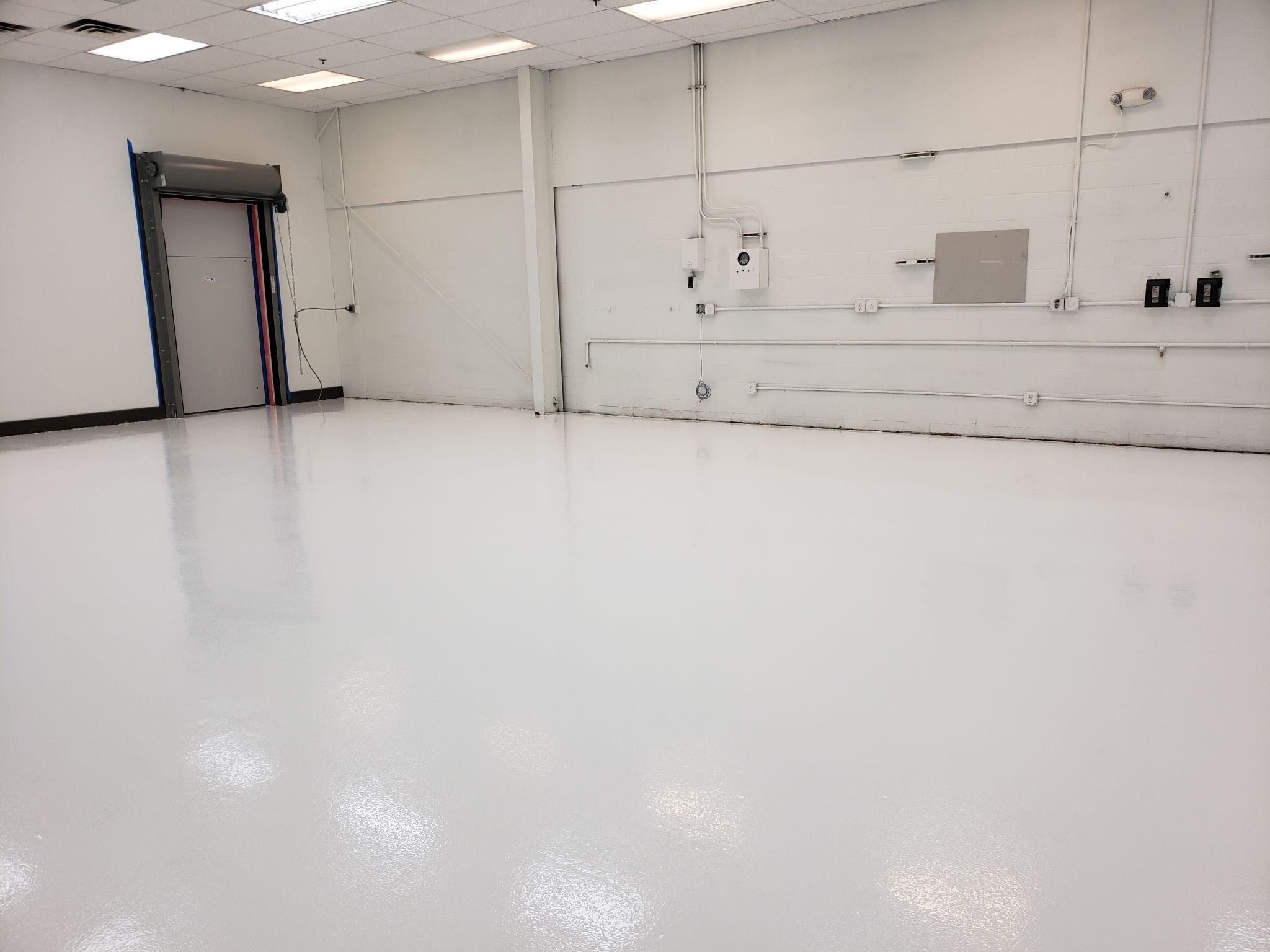
Upgrading an old concrete floor can dramatically improve the appearance, durability, and functionality of a residential or commercial property. Whether you are converting a garage into a home gym, improving a basement, preparing a rental property, or upgrading a busy commercial facility, a professionally installed resin coating can provide an attractive and protective surface. Toronto and the surrounding GTA experience demanding seasonal conditions. Snow, road salt, moisture, temperature changes, and freeze-thaw cycles can gradually deteriorate untreated concrete. A professionally installed Epoxy Flooring Toronto system creates a seamless protective layer that can withstand regular traffic while making the floor easier to clean and maintain.
For many Toronto projects, professional installation can generally fall within the range of approximately $5 to $12 per square foot, although specialized systems may cost more. The final price depends on several factors, including floor condition, preparation requirements, coating type, project size, decorative features, and the selected protective topcoat.
What Determines the Price of an Epoxy Floor?
There is no single price that applies to every property. Before providing a final quotation, flooring professionals typically assess the concrete and determine which coating system is appropriate.
Existing Concrete Condition
The condition of the concrete has a major influence on project cost. A relatively smooth and clean slab may require straightforward mechanical preparation before coating. Older floors, however, may contain cracks, oil contamination, peeling paint, surface damage, or areas of spalling. These problems must be addressed before resin is installed. Grinding, crack repair, patching, moisture testing, and additional preparation can increase both labor and material costs. Proper preparation should not be treated as an optional expense. The performance of the finished coating depends heavily on how well it bonds to the concrete beneath it.
Type of Flooring System
Different coating systems require different quantities of resin, labor, and finishing materials. A simple solid-color floor will generally cost less than a decorative system involving multiple layers, vinyl flakes, metallic pigments, or specialized topcoats. The intended use of the space should determine which system is selected rather than choosing solely according to appearance or initial price.
Overall Project Size
The total square footage also affects pricing. Large commercial projects can sometimes achieve a lower cost per square foot because equipment, preparation, and crew mobilization are spread over a larger area. Small garages may have a higher effective square-foot price because contractors still need to transport equipment, prepare the site, mix materials, and complete the installation even when the floor area is limited.
Protective Topcoat
A specialized topcoat can add to the initial investment but may provide important performance benefits. Polyaspartic and polyurethane finishes can offer enhanced UV resistance, durability, chemical resistance, and protection against discoloration. For areas exposed to sunlight, road salt, automotive fluids, or heavy traffic, choosing an appropriate protective finish can improve the long-term performance of the entire flooring system.
Popular Epoxy Flooring Options and Their Typical Costs
Understanding the differences between coating systems can help property owners establish a realistic budget.
Solid-Color Epoxy: Approximately $5–$7 Per Square Foot
A basic solid-color system is often suitable for utility areas, storage rooms, workshops, and some basement applications. It typically consists of a prepared concrete surface followed by primer and a colored epoxy layer. The result is a clean, seamless surface that is relatively easy to sweep and maintain. This option provides practical protection without the additional decorative elements found in premium systems.
Decorative Flake Flooring: Approximately $6–$9 Per Square Foot
Decorative vinyl flakes are particularly popular for residential garages and basement spaces. Colored flakes are broadcast across the wet coating to create a textured, multi-color appearance. This system can help disguise minor visual imperfections while producing a finish similar to natural stone. A protective clear topcoat can further improve resistance to abrasion, moisture, chemicals, and everyday wear.
Metallic Epoxy: Approximately $8–$12+ Per Square Foot
Metallic systems are designed for homeowners and businesses looking for a more distinctive visual effect. Metallic pigments are blended into resin and manipulated during installation to create flowing patterns resembling marble, stone, or other unique surfaces. Because the application is highly customized and requires greater skill, metallic floors generally have a higher installation cost than basic solid-color coatings.
Heavy-Duty Commercial Systems: Approximately $8–$15 Per Square Foot
Industrial facilities, automotive workshops, commercial kitchens, warehouses, and other demanding environments may require specialized systems designed for greater impact and chemical resistance.
These floors can incorporate thicker coating builds, slip-resistant aggregates, polyaspartic materials, or other high-performance components. Fast-curing products may also allow businesses to return the area to service more quickly.
Estimated Costs by Property Type
Looking at typical floor sizes can make it easier to establish an initial renovation budget.
Single-Car Garage
A 200–250 square-foot garage could cost approximately $1,400–$2,500 depending on the coating system and required preparation. Minimum service and equipment costs can have a significant effect on smaller projects.
Two-Car Garage
A 400–500 square-foot garage may typically fall around $2,500–$4,500 when using a decorative flake system with a durable protective topcoat.
Residential Basement
A 600–900 square-foot basement could require approximately $3,600–$8,100, depending on moisture conditions, surface preparation, decorative requirements, and the selected coating system.
Commercial or Retail Space
A 1,500–3,000+ square-foot commercial floor may range from approximately $8,000 to $22,000 or more. Heavy-duty systems, difficult access, extensive repairs, and specialized finishes can increase the overall investment. These figures should be considered general budgeting ranges rather than guaranteed quotations. A site assessment is necessary to determine the actual project requirements.
Important Steps for a Durable Installation
Selecting quality materials is only one part of achieving a long-lasting floor. Proper installation procedures are equally important.
Use Mechanical Concrete Preparation
Professional contractors should properly prepare the slab using appropriate mechanical equipment. Diamond grinding can remove contaminants and weak surface material while creating the necessary profile for coating adhesion. Simply applying an acid etching solution may not provide adequate preparation for every concrete surface.
Test for Moisture
Moisture can become a significant problem, especially in basements and ground-level concrete slabs. Excess moisture or vapor transmission can contribute to bubbling, peeling, or delamination after installation. Moisture testing should therefore be considered before the coating system is selected. Where necessary, a specialized moisture-control primer can be incorporated into the flooring system.
Select Products Suitable for Toronto Conditions
Temperature and humidity can affect the installation and curing of resin materials. Professional installers should select products appropriate for the project’s environmental conditions and intended use. UV-resistant topcoats can also be beneficial where floors receive direct sunlight, helping minimize long-term discoloration.
Professional Installation vs. DIY Floor Kits
DIY coating kits may appear less expensive initially, but they can differ considerably from professional flooring systems. Many consumer products are thinner, water-based formulations that may not provide the same level of adhesion, thickness, chemical resistance, or durability. Professional systems can involve industrial-grade resins, mechanical surface preparation, multiple coating layers, and specialized topcoats. The additional preparation and material quality can result in a more durable finished floor when properly installed. For garages, commercial environments, and heavily used areas, comparing the complete system rather than just the price of the coating material is important.
Why Professional Epoxy Installation Matters
A successful Epoxy Flooring in Toronto project requires more than simply rolling resin across a concrete slab. Surface preparation, moisture evaluation, product selection, mixing ratios, application thickness, curing conditions, and topcoat installation all influence the final result. An experienced flooring company should provide a clear quotation explaining the preparation process, materials, expected timeline, and warranty coverage. Industrial grinding equipment, dust-control systems, quality resins, and trained installation crews can help produce a cleaner and more durable result. For many residential garage projects, professional installation may be completed within a short timeframe, although the exact schedule depends on floor condition, coating system, curing requirements, and project size.
Give Your Concrete a Durable New Surface
Old concrete does not have to remain stained, dusty, cracked, or difficult to maintain. A professionally designed coating system can transform an ordinary slab into a seamless, attractive, and easy-to-clean surface. Whether you are upgrading a residential garage, finishing a basement, improving a rental property, or renovating a commercial facility, the right flooring system should be selected according to the environment, expected traffic, concrete condition, and available budget. The best way to determine your actual project cost is to arrange a professional assessment. A detailed quotation can account for preparation, repairs, coating materials, decorative features, protective topcoats, and installation requirements, giving you a much clearer understanding of the total investment before work begins.