Blog
How Custom Retail Boxes Can Strengthen Brand Identity and Customer Experience

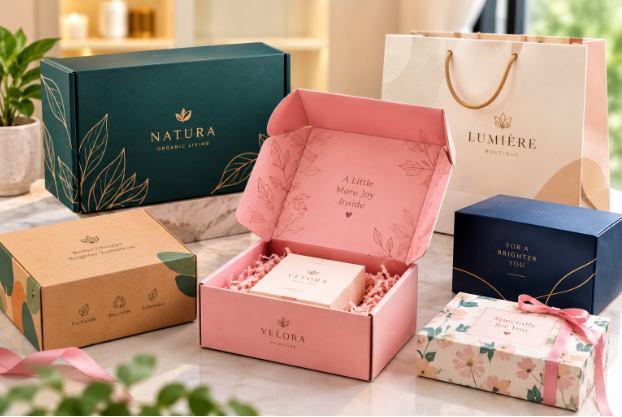
In a competitive retail market, packaging is no longer just a way to carry and protect a product. It has become an important part of how customers recognize a brand, form expectations, and remember their purchasing experience. Before a customer uses a product, the packaging is often the first physical interaction they have with the brand. A thoughtful package can therefore communicate quality, personality, and attention to detail within seconds. For modern retailers, Custom Retail Boxes offer an opportunity to turn ordinary product packaging into a recognizable brand element. Instead of relying on generic boxes that look similar to countless other products, businesses can create packaging around their own visual identity, product requirements, and customer expectations. From colors and typography to structural details and finishing choices, every element can contribute to a more consistent brand experience.
Why Packaging Matters to Brand Identity
Brand identity is built through the visual and physical elements that help customers distinguish one business from another. Logos, colors, fonts, product design, messaging, and packaging can all work together to create a recognizable identity. When these elements appear consistently, customers can begin to associate a particular visual style with a specific brand. Retail packaging is particularly important because it places that identity directly in the hands of customers. A well-designed box can reinforce brand colors, display a recognizable logo, and communicate the overall personality of a business. A minimalist design may suggest simplicity and sophistication, while bold graphics can create a more energetic and youthful impression.
This consistency can be especially valuable for businesses selling through multiple channels. Whether a customer discovers a product in a physical store, receives it through an online order, or sees it in a social media post, consistent packaging helps create a connected brand experience.
Creating a Memorable First Impression
Customers often form an initial opinion about a product before they have even opened the package. Packaging can influence that first impression by making the product appear organized, professional, premium, playful, practical, or environmentally conscious. A carefully planned retail box gives businesses greater control over this first interaction. Instead of allowing a plain container to become the customer’s first visual reference, brands can use packaging to introduce their personality and establish expectations about the product inside. The design does not necessarily need to be complicated. Effective packaging can sometimes rely on a clean layout, balanced typography, carefully selected colors, and a clear brand message. The key is making sure that the packaging feels connected to the product and the identity behind it.
Packaging as a Brand Recognition Tool
Strong brands are often recognized through small visual details. A familiar color combination, logo placement, typography style, or distinctive package shape can help customers identify a product without reading every word on the box. Custom retail packaging can support this recognition by maintaining a consistent visual language across different products. For example, a retailer with several product lines can use similar design elements while giving each product its own variation. This creates consistency without making every package look exactly the same. Over time, repeated exposure to these visual elements can make the packaging itself part of the brand identity. Customers may begin to associate a particular style of box with the business, making the product easier to recognize among competing options.
Designing Boxes Around the Customer Experience
Good retail packaging should do more than look attractive on a shelf. It should also make the customer’s interaction with the product convenient and enjoyable. The opening process, product arrangement, protection, and overall presentation can all influence how customers perceive their purchase. A thoughtfully designed box can make the product easier to handle while keeping its contents organized and protected. For online retailers, this becomes even more important because the package may be the customer’s first physical interaction with a brand after purchasing through a website or marketplace. Small details can have a noticeable impact. A box that opens smoothly, keeps the product securely positioned, and presents the contents neatly can create a more polished experience. When customers feel that attention has been given to these details, packaging can become a natural extension of the product itself.
Choosing Design Elements That Reflect the Brand
Every packaging element can contribute to the story a brand wants to communicate. Color is one of the most noticeable factors because customers can recognize familiar color combinations quickly. Typography can also influence perception, with different font styles creating different visual impressions. Images, patterns, illustrations, and finishing details provide additional opportunities for differentiation. A skincare brand might use soft and refined visuals, while a sports or lifestyle brand may prefer stronger graphics and energetic layouts. The most effective approach is usually to maintain a clear connection between packaging and the wider brand identity. When the box, product, website, social media presence, and promotional materials share related visual characteristics, customers receive a more consistent impression of the business.
Balancing Appearance With Product Protection
Attractive packaging is valuable, but appearance should not come at the expense of functionality. A retail box needs to protect its contents during storage, transportation, handling, and display. The appropriate structure depends on the product being packaged. Fragile products may require stronger construction and additional internal support, while lightweight products may need a simpler design. Size also matters because excessive empty space can affect presentation and increase unnecessary material use. A practical packaging design considers both the product and the customer’s expectations. The box should provide sufficient protection while remaining easy to handle, open, store, and dispose of when appropriate.
Making Packaging More Distinctive on Retail Shelves
Retail environments can place dozens of competing products within the same visual space. When packaging looks generic, a product may have fewer opportunities to attract attention. Distinctive packaging can help create a stronger visual presence without relying on excessive decoration. A clear brand name, recognizable design, strong hierarchy, and carefully positioned product information can make a box easier to understand at a glance. The goal is not simply to make packaging louder than competitors but to make it clear, relevant, and recognizable. For businesses with several products, a coordinated packaging system can also help customers navigate the product range. Similar layouts can establish a family appearance, while different colors or graphics can distinguish individual products.
Using Packaging to Communicate Product Value
Packaging can also help explain why a product deserves attention. Information such as product benefits, usage instructions, key features, or brand messages can be incorporated into the available surface area without making the design feel crowded. The information should remain easy to read and relevant to the customer. Too much text can make a package difficult to understand, while too little information may leave customers searching elsewhere for basic details. A balanced design gives priority to the information customers are most likely to need while allowing the brand’s visual identity to remain prominent. This combination of useful information and attractive presentation can make the overall package more effective.
Building a Consistent Experience Across Products
As a business grows, packaging often needs to work across different products and product sizes. Creating a consistent packaging system can make this easier while helping customers recognize the brand across its entire range. A business can maintain common elements such as its logo, typography, color palette, and overall design style while adapting the structure and layout for individual products. This approach allows each package to feel unique without losing the connection to the parent brand. Consistency is particularly useful when products appear in different retail environments. Whether displayed individually, grouped together, or photographed for an online store, coordinated packaging can create a more recognizable visual presence.
Adding Sustainable Thinking to Retail Packaging
Environmental considerations are becoming increasingly relevant to packaging decisions. Customers and businesses are paying greater attention to the materials used in products and how packaging can be handled after use. Brands can consider recyclable or responsibly sourced materials, efficient box dimensions, and designs that avoid unnecessary components. Reducing excessive material can also make packaging easier to handle and potentially reduce waste throughout the supply chain. Sustainability should remain practical rather than becoming an isolated marketing message. When environmentally conscious choices are combined with functional design and strong brand presentation, packaging can support both customer expectations and broader business objectives.
Turning Unboxing Into a Brand Experience
For many products, especially those purchased online, opening the package can become an important part of the customer journey. The unboxing experience provides another opportunity for a brand to demonstrate its attention to detail. A neatly arranged product, carefully considered opening mechanism, attractive interior, and relevant brand message can make the experience feel more intentional. Even simple touches can make a package feel different from an ordinary shipping container. Customers may also photograph or share interesting packaging on social platforms. While this cannot be guaranteed, distinctive presentation gives customers something visually engaging to interact with and potentially share.
Supporting Customer Loyalty Through Packaging
Packaging alone does not create customer loyalty, but it can contribute to the overall experience that shapes how customers remember a business. When packaging consistently reflects quality, convenience, and brand personality, Custom Packaging Boxes can help reinforce the positive aspects of a purchase while creating a more recognizable brand experience. This becomes especially valuable when customers buy from the same brand repeatedly. Familiar packaging can provide continuity from one purchase to another, while thoughtful improvements can keep the experience fresh. The strongest results usually come when packaging works together with product quality, customer service, website design, and other parts of the customer journey. In this way, the box becomes one component of a broader brand experience rather than an isolated marketing element.
Final Thoughts
Retail packaging has evolved beyond its basic protective function. It can influence first impressions, reinforce brand recognition, improve product presentation, and contribute to a smoother customer experience. For businesses looking to build a recognizable presence, custom boxes provide a practical way to connect packaging with brand identity. Through thoughtful design, suitable materials, functional structures, and consistent visual elements, a simple box can become a meaningful part of the customer journey. When packaging is designed with both the brand and the customer in mind, it can help businesses present their products more professionally while creating a more consistent and memorable experience from the moment the package is discovered to the moment it is opened.
Frequently Asked Questions
1. What are custom retail boxes?
Custom retail boxes are packaging boxes designed around a brand’s specific product, visual identity, size, and presentation requirements rather than using standard generic packaging.
2. How can retail boxes strengthen brand identity?
They can reinforce important brand elements such as logos, colors, typography, graphics, and messaging, helping create a consistent visual identity across different products and sales channels.
3. Why is packaging important for customer experience?
Packaging is often one of the first physical interactions customers have with a product. Easy opening, secure product placement, attractive presentation, and useful information can contribute to a smoother experience.
4. Can custom packaging help products stand out?
Yes. Distinctive colors, structures, graphics, and finishing details can give products a recognizable appearance and help them attract attention in competitive retail environments.
5. Should retail packaging focus more on appearance or protection?
Both are important. Attractive packaging can support presentation and branding, while suitable construction and materials help protect the product during handling, storage, and transportation.
6. How does packaging contribute to brand recognition?
Consistent use of recognizable colors, logos, typography, shapes, and design elements can help customers associate particular packaging characteristics with a specific brand.
7. Can retail boxes improve the unboxing experience?
Yes. Thoughtful opening mechanisms, organized interiors, attractive presentation, and relevant brand details can make opening a product feel more intentional and engaging.
8. Is sustainable retail packaging important?
Sustainable packaging can help businesses reduce unnecessary material use and respond to growing interest in responsible packaging practices. Material selection and efficient box design are important considerations.
9. How can businesses keep packaging consistent across different products?
Businesses can establish common design elements such as colors, typography, logos, and layouts while adjusting box sizes and product-specific information for individual items.
10. What makes an effective custom retail box?
An effective box combines brand identity, product protection, practical functionality, clear information, suitable materials, and an appealing presentation that matches customer expectations.