Sign up for our newsletter to get 10% off for the week!

How to Find the Best Eye Hospital in Lahore for Eye Treatment 2027?

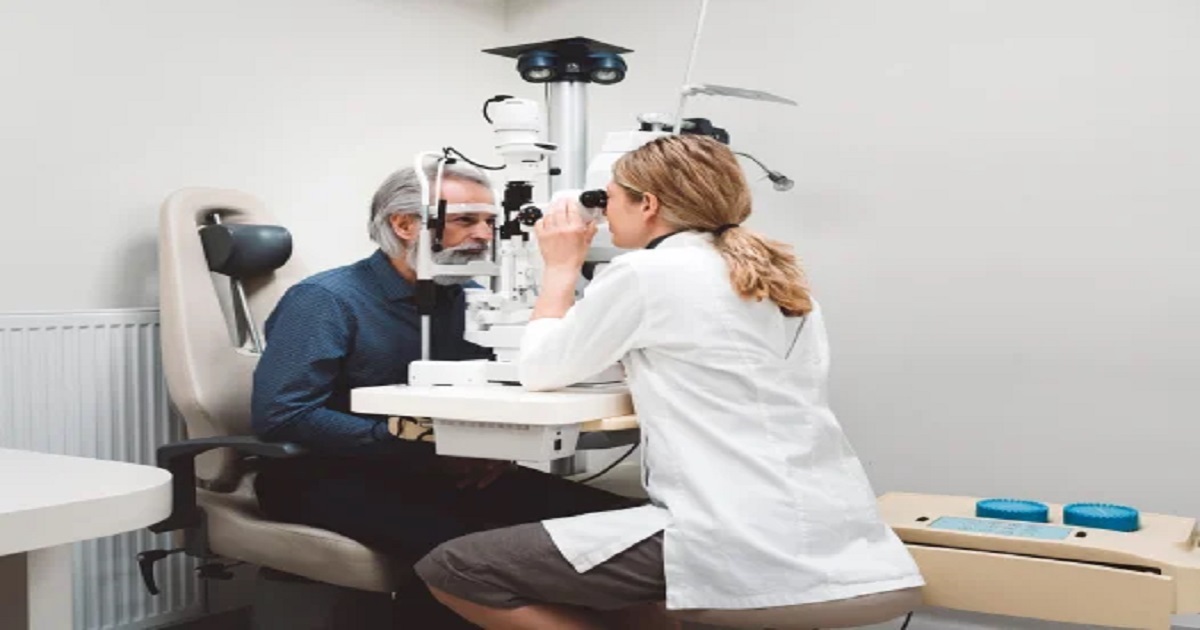
Maintaining healthy eyesight is essential for enjoying everyday activities, performing professional responsibilities, and living a comfortable life. Whether you are experiencing blurred vision, eye irritation, cataracts, glaucoma, or other vision-related concerns, selecting the right medical facility is an important step toward receiving appropriate care. Finding the Best Eye Hospital in Lahore can help patients access qualified eye specialists, modern diagnostic equipment, professional medical guidance, and comprehensive treatment services under one roof.
In 2027, eye-care facilities in Lahore continue to offer a wide range of services, including routine vision examinations, advanced diagnostic procedures, medical treatment for eye diseases, cataract surgery, retinal care, and laser vision correction. However, choosing a hospital should not depend entirely on advertisements, social media popularity, or proximity to your home. Patients should evaluate medical expertise, facilities, hygiene standards, patient safety, treatment options, and the quality of follow-up care.
This guide explains how to choose an appropriate eye hospital in Lahore, what services to look for, and how to make a confident decision when seeking professional eye treatment.
Why Choosing the Right Eye Hospital Matters
Eye health requires specialized medical knowledge and careful diagnosis. Some eye conditions develop gradually without noticeable symptoms, while others may cause sudden changes in vision that require urgent attention. A reliable hospital can help patients receive timely examinations, accurate diagnoses, and appropriate treatment.
The right eye-care facility should have experienced ophthalmologists, trained medical staff, suitable diagnostic technology, and a patient-focused environment. These qualities can be particularly important for individuals who require surgical procedures, treatment for chronic eye diseases, or regular monitoring.
Choosing a reputable hospital also helps patients understand their medical condition, available treatment options, potential risks, and recovery expectations. A well-organized medical facility supports patients throughout their treatment journey, from initial consultation to postoperative care.
Essential Factors to Consider When Selecting the Best Eye Hospital in Lahore
1. Qualified and Experienced Eye Specialists
The quality of medical care largely depends on the expertise of the doctors providing treatment. A reputable eye hospital should have qualified ophthalmologists with recognized medical degrees, postgraduate specialization, and relevant clinical experience.
2. Comprehensive Eye Examination Facilities
A good eye hospital should offer complete eye examinations rather than limited vision testing. A comprehensive assessment may involve checking visual acuity, eye pressure, corneal health, the retina, and other structures of the eye.
Depending on the patient’s symptoms and medical history, additional diagnostic investigations may be required. Comprehensive examinations can help detect conditions at earlier stages and support accurate treatment planning.
Patients with diabetes, hypertension, a family history of eye disease, or age-related vision changes may benefit from regular professional eye assessments.
3. Modern Diagnostic Technology
Advanced diagnostic equipment can help ophthalmologists evaluate eye conditions more accurately. Hospitals offering modern technology may provide computerized vision testing, slit-lamp examinations, retinal imaging, optical coherence tomography, corneal topography, and other specialized investigations.
The availability of suitable technology is especially important for patients with glaucoma, retinal disorders, corneal conditions, and those considering laser vision correction.
A hospital should use diagnostic equipment according to the patient’s needs rather than recommending unnecessary investigations. Doctors should explain why a particular test is required and how its results will influence treatment decisions.
4. Specialized Treatment Departments
Eye hospitals may provide multiple specialized services, including cornea care, cataract treatment, glaucoma management, retina services, pediatric ophthalmology, squint treatment, and refractive surgery.
Having access to different specialties can be beneficial for patients whose conditions require additional consultation or coordinated care.
Before selecting a hospital, patients should confirm whether it offers the specific treatment they require. This can reduce the inconvenience of traveling to multiple facilities for examinations, investigations, and consultations.
5. Cleanliness, Hygiene, and Patient Safety
Medical cleanliness is a fundamental requirement, particularly for patients undergoing eye surgery. Hospitals should maintain clean examination rooms, properly sterilized surgical equipment, hygienic operating environments, and appropriate infection-control procedures.
Patients can observe the cleanliness of waiting areas, consultation rooms, and treatment facilities during their visit. They may also ask about surgical safety procedures, sterilization practices, and postoperative infection prevention.
A professional hospital should take patient safety seriously and provide clear instructions regarding medications, eye drops, recovery, and warning signs that require medical attention.
Eye Treatments Available at a Modern Eye Hospital
Cataract Treatment and Surgery
Cataracts are among the common causes of vision deterioration, particularly among older adults. The condition develops when the natural lens becomes cloudy, making it difficult to see clearly.
A specialized eye hospital can evaluate cataract severity, assess the patient’s vision, and determine whether surgery is necessary. Cataract surgery generally involves removing the cloudy lens and replacing it with an artificial intraocular lens.
Patients should discuss available lens options, expected visual improvement, potential complications, and recovery instructions with their ophthalmologist before making a decision.
Laser Eye Surgery and Vision Correction
Patients who want to reduce their dependence on glasses or contact lenses may explore laser vision correction. Procedures such as LASIK and other refractive techniques are designed to correct selected vision problems.
However, not every patient is suitable for laser surgery. A thorough examination of corneal thickness, eye structure, prescription stability, and overall ocular health is necessary before recommending treatment.
A responsible hospital should explain the benefits, limitations, risks, and alternatives of refractive surgery without promising perfect vision.
Glaucoma Diagnosis and Management
Glaucoma is a group of eye conditions that can damage the optic nerve. Because some forms develop gradually without noticeable symptoms, regular examinations can be important for early detection.
An eye hospital may provide eye-pressure testing, optic nerve assessment, visual field testing, imaging, medication management, and surgical treatment when necessary.
Patients diagnosed with glaucoma often require ongoing monitoring to help protect their remaining vision and manage disease progression.
Retina and Diabetic Eye Care
Retinal disorders can affect central vision, peripheral vision, or the ability to recognize objects clearly. Diabetes can also damage the blood vessels in the retina, potentially leading to serious vision problems.
Specialized retinal services may include retinal imaging, examination of the back of the eye, laser treatment, injections, and surgery when clinically indicated.
People with diabetes should follow their doctor’s recommendations for regular retinal screening, even when they do not experience noticeable vision changes.
Pediatric Eye Care
Children may experience refractive errors, squint, lazy eye, eye infections, or problems with visual development. Early diagnosis can help prevent certain conditions from interfering with learning and daily activities.
A hospital offering pediatric eye care should have specialists who can examine children using age-appropriate techniques and provide suitable treatment recommendations.
Parents should arrange an eye examination if a child frequently squints, holds books unusually close, struggles with schoolwork, experiences headaches, or shows unusual eye movements.
The Importance of Affordable and Accessible Eye Treatment
Healthcare costs can influence how quickly patients seek medical attention. Some people delay eye examinations because of financial concerns, transportation difficulties, or limited awareness of available services.
When searching for the Best Eye Hospital in Lahore, patients should compare consultation fees, diagnostic charges, treatment costs, insurance coverage, and available financial assistance.
Some charitable and nonprofit institutions provide subsidized or free treatment for eligible patients. For example, LRBT describes its network of hospitals and clinics as providing free eye care and referral services for patients requiring more advanced treatment. LRBT’s Commitment to Eye Care
How to Compare Eye Hospitals Before Booking an Appointment
Patients should compare hospitals according to their specific needs rather than relying on general popularity. A facility that offers routine examinations may be suitable for someone needing glasses, while another patient may require specialized retinal care or surgical facilities.
The hospital’s official website can provide information about doctors, clinical departments, diagnostic services, appointment arrangements, and treatment options. Patients should also verify the qualifications of the consultant who will personally examine or treat them.
What to Expect During Your First Hospital Visit
A first visit generally begins with registration and a review of the patient’s symptoms and medical history. The eye-care team may ask about previous eye problems, medications, allergies, family history, and existing health conditions.
The Best Eye Hospital in Lahore should provide reliable medical guidance, accurate diagnosis, suitable treatment options, and a supportive environment where patients feel comfortable discussing their concerns. Whether you require routine eye testing, cataract surgery, glaucoma treatment, retinal care, pediatric eye services, or laser vision correction, selecting a hospital according to your individual needs can help you make a more informed healthcare decision.
Regular eye examinations, timely treatment, and professional medical advice remain essential for maintaining healthy eyesight. In 2027, make eye health a priority by choosing a reputable eye-care facility and seeking treatment whenever vision-related symptoms arise.
(FAQs)
1. How can I find the best eye hospital in Lahore?
Look for qualified ophthalmologists, modern diagnostic facilities, specialized treatment services, patient safety standards, and positive patient feedback.
2. What treatments are available at eye hospitals in Lahore?
Eye hospitals commonly provide vision testing, cataract treatment, glaucoma management, retinal care, pediatric eye treatment, laser vision correction, and eye surgery.
3. How much does eye treatment cost in Lahore?
Costs depend on the hospital, specialist, diagnostic tests, medications, and type of treatment. Contact the hospital to obtain an updated estimate.
4. Can eye hospitals provide laser vision correction?
Yes, many specialized eye-care facilities offer laser vision correction. Patients must undergo a comprehensive examination to determine their suitability.
5. When should I visit an eye hospital urgently?
Sudden vision loss, severe eye pain, eye injuries, flashes of light, or sudden floaters require immediate medical evaluation.